Therapy for CPTSD
You might have come across the term CPTSD recently and felt something click into place. Or you might have been carrying these feelings for years without ever having a name for them, just a persistently nagging sense that something is fundamentally wrong with you.
Nothing is wrong with you. But something did happen to you and it left a mark.
Complex PTSD develops after prolonged or repeated trauma, particularly the kind that happens in childhood, in the context of relationships with the people who were supposed to keep you safe. It is different from single-incident PTSD. It is less about one specific event and more about the cumulative effect of growing up in an environment where you did not feel consistently safe, seen or supported.
What does CPTSD feel like?
CPTSD does not always look the way people expect trauma to look. You might not have flashbacks. You might function perfectly well on the outside. What you might have instead is some of this:
A harsh, relentless inner critic that feels less like a thought and more like a fact. Emotions that go from zero to overwhelming with very little warning, or a numbness that means you feel very little at all. A deep, bodily sense of shame that is hard to explain and harder to shift. Difficulty trusting people, or trusting yourself. Relationships that feel either too intense or not quite real. A chronic feeling of being different, broken, or fundamentally not enough.
These are not personality traits. They are responses. Your nervous system learned to do what it needed to do to survive. The question now is whether it is still running those same programmes in situations that no longer require them.

What working with me looks like
CPTSD that developed in childhood, especially in the context of relationships, needs a particular kind of therapeutic approach. It is not something that responds well to being talked through logically or managed with techniques. What it responds to is a safe, consistent, attuned relationship, often for the first time.
I work relationally and from a trauma-informed, developmental perspective. That means I am as interested in what is happening between us in the room as I am in your history. For many of my clients, the experience of being genuinely heard and not judged, consistently, over time, is itself part of what heals.
Alongside the relational work, I integrate EMDR where it is helpful. EMDR works at the level where trauma is actually held, in the nervous system and the body, rather than just where you can talk about it. For clients who have found that understanding their trauma intellectually has not shifted how it feels, EMDR can reach what talking alone has not.
This is not quick work. CPTSD that developed over years does not resolve in a handful of sessions. But it does resolve. People do get better. I have seen it, and I believe it is possible for you.
About me
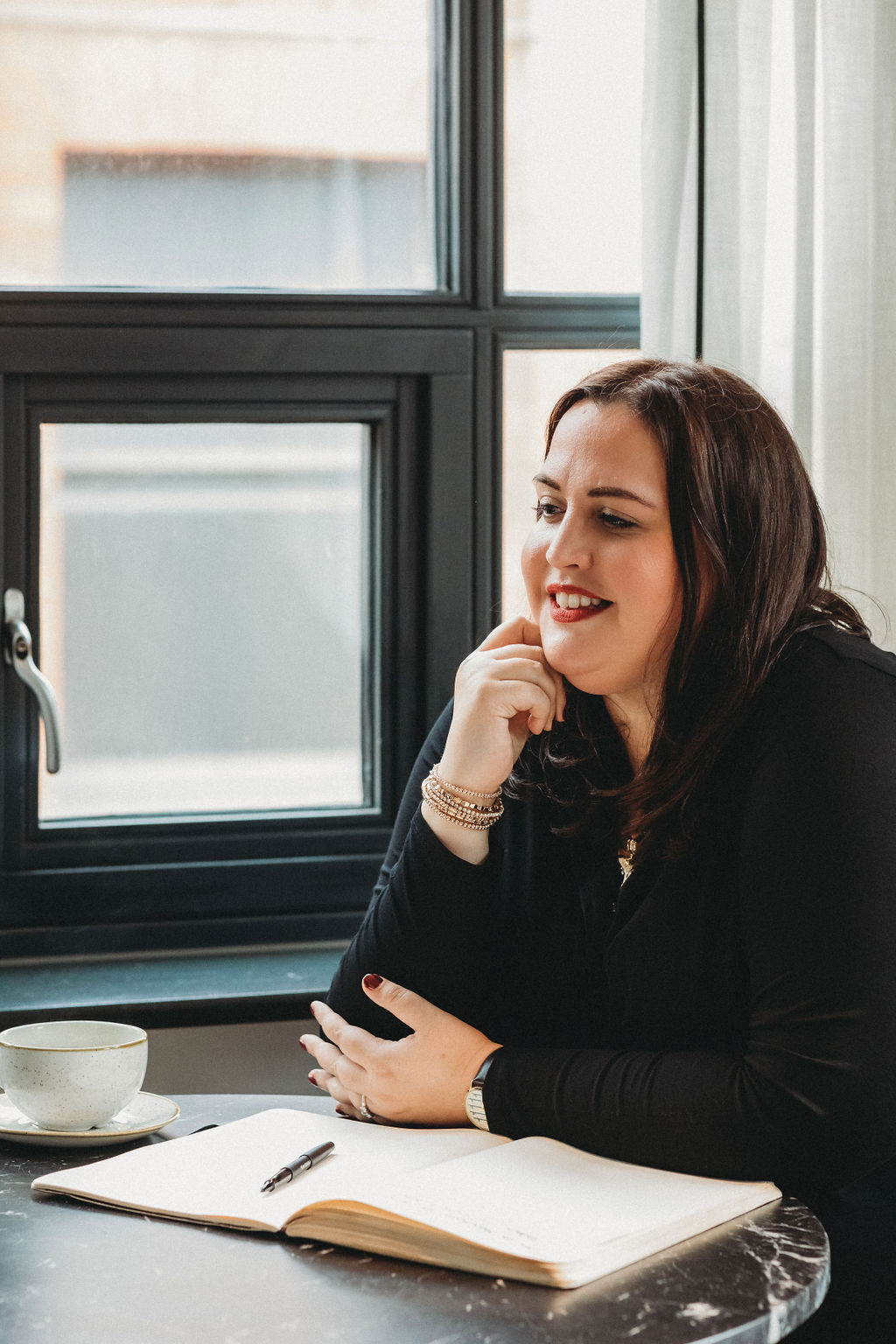
I am Alice Tew, a BACP Accredited Psychotherapist with over a decade of experience. A significant part of my caseload is people working through CPTSD, childhood trauma, and the particular kind of shame that comes from growing up without consistent emotional safety. Many of my clients are also late-identified AuDHD adults, for whom unrecognised neurodivergence has added another layer to an already complicated picture.
I work online via Zoom with clients across the UK. Sessions are £110 for 50 minutes, held weekly.
Ready to talk?
You can see my availability calendar and book online. You can also email me at hello@alicetew.com and I will aim to respond within 48 hours.