How I Work as a Relational Trauma Therapist Online
Choosing a therapist, or working out what kind of therapy you even need, can feel like another thing to get right. This page is to help you decide whether what I do is what you’re looking for.
New here?
Let me tell you what I do
I’m a relational-developmental trauma therapist working online across the UK. In plain English: I don’t believe you need fixing. I believe something happened, or kept happening, that taught you to feel the way you feel about yourself and I believe that can change.
I work humanistically, which means I don’t just work with thoughts or feelings but everything that makes you who you are. The self-criticism, the shame, the exhaustion, the sense that you’re fundamentally not quite right. Those aren’t who you are, they’re usually outdated survival strategies that are causing you more problems than they solve. I don’t use CBT. The goal isn’t better coping strategies. It’s understanding why you are the way you are and finding, over time, that you don’t have to stay that way.
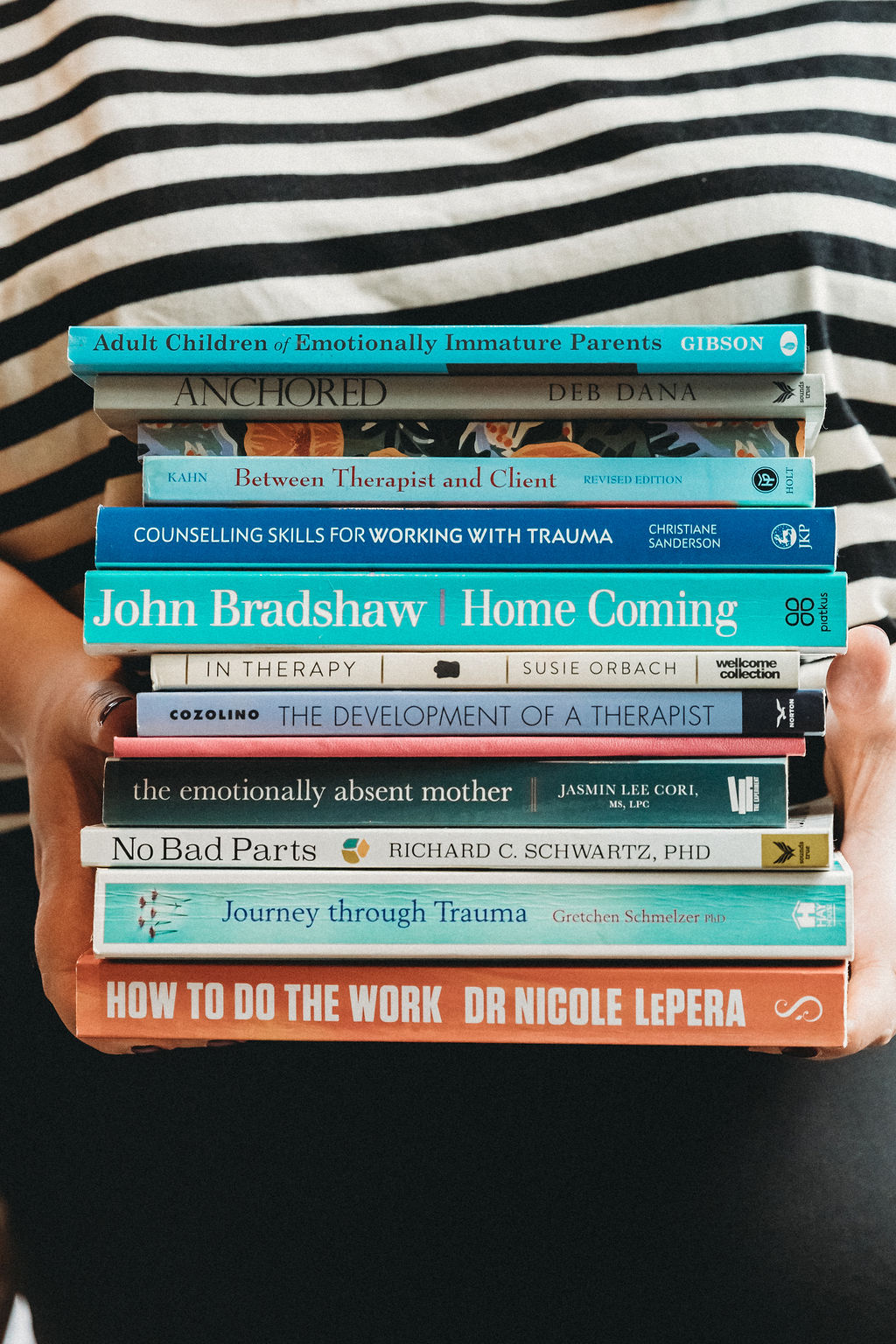
I draw on parts work like transactional analysis and IFS, attachment theory, trauma and CPTSD frameworks, polyvagal theory and psychodynamic theories that are particularly good for working with shame. I also offer EMDR for clients where trauma is held in the body in a way that other therapies can’t reach. You can read more about that here.
But the most important thing I bring isn’t a framework. It’s that I’m genuinely, deeply curious about you. I feel things, I notice things that others don’t and I’ll stay with you in the uncomfortable places.
What it works well for
The people I work best with are usually carrying something like this:
A relentless inner critic that notes everything – every mistake, every interaction that didn’t land quite right, every time you were too much or not enough. It’s not always loud but it’s often there. And it usually sounds, if you listen carefully, like someone specific.
A childhood that looked fine from the outside. Nobody would call it difficult. You probably wouldn’t either but growing up with a parent who could be scary when angry, or one who was emotionally absent, or some combination of both – even when nobody was intentionally cruel – leaves a mark.
A gap between understanding yourself and being able to change. You know something isn’t right. You just don’t know what. You’ve looked for answers – in books, in podcasts, maybe in therapy that helped a little but didn’t quite reach it. Nothing has changed.
Many of the people I work with are neurodivergent, diagnosed or still working it out. If you’ve spent your life feeling slightly out of step, exhausted by the effort of seeming fine, or wondering whether there’s a name for the way your brain works – you don’t need a formal diagnosis to be here.
What to expect
I’m not a nod-and-smile therapist. I’m warm, direct and I’ll tell you what I notice and what might be needed to heal. I think of the therapeutic relationship as a place to experiment with being vulnerable and honest and in return I give you empathy, respect and honesty.
Sessions are £110 for 50 minutes, weekly, online via Zoom from anywhere in the UK. We start with an assessment session. This isn’t a test, it’s a chance to get to know each other and work out whether we’re a good fit. I’ll be honest if I think someone else might suit you better.
The work moves at your pace. No pushing, no ripping open what isn’t ready. You’re in control of what we explore and when. What I offer is consistent presence. Someone who will stay curious about you, hold compassion until you can hold it yourself, and not need you to get better faster than you’re able to.